
- Concrete driveways and sidewalks
- Brick and stone walkways
- Pavers and patios
- Garage floors
- Retaining walls and block
- Commercial flatwork and entrances
What is pressure washing?
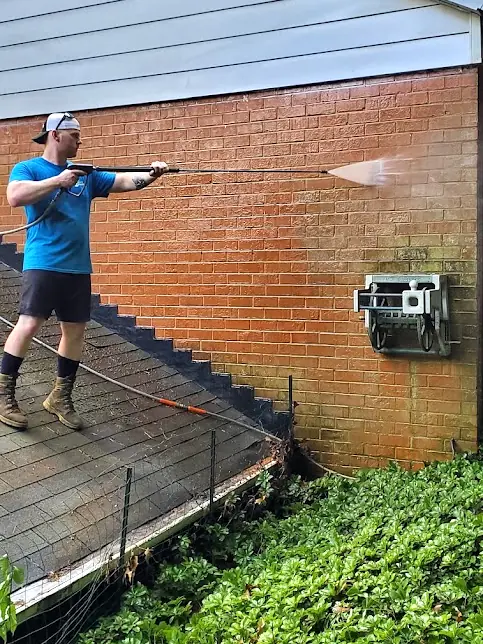
Pressure washing is exterior cleaning that relies on the force of pressurized water to lift dirt and growth off a surface. It works best on hard, durable materials like concrete and masonry, where the pressure does most of the work and the surface can take it.
A pressure washer uses a pump to push water through a narrow nozzle, which concentrates the flow into a fast, forceful stream. That force is measured in pounds per square inch (PSI). Pressure washers used on concrete commonly operate at several thousand PSI, far beyond anything a garden hose can produce, which is why they can pull years of ground-in dirt out of a porous slab.
Pressure is only one part of the equation. A professional result depends on how several variables work together, and adjusting any one of them changes how aggressive the cleaning is.
- Pressure (PSI)
- How hard the water hits. More is not always better; too much damages softer materials.
- Flow (GPM)
- How much water moves per minute. Higher flow rinses loosened debris away faster without extra force.
- Nozzle angle
- Narrow tips concentrate force on a small spot; wider tips spread it out and are far gentler.
- Distance
- Pulling the wand back even a few inches reduces impact noticeably.
- Water temperature
- Heated water helps break down oil, grease and other greasy residue.
- Pre-treatment and dwell time
- A cleaning solution given time to work reduces how much pressure the job needs.
What is the difference between pressure washing and power washing?
In everyday use, “pressure washing” and “power washing” mean the same thing. Within the trade, power washing usually refers to pressure washing with heated water, which is more effective on oil and grease.
Most homeowners search for both terms interchangeably, and that’s fine. The distinction matters mainly on greasy jobs: restaurant pads, garage floors, and driveways with fluid drips. Hot water loosens oily residue that cold water tends to smear around. On a typical dirty sidewalk covered in algae and dirt, heated water adds little. For a deeper comparison, see our guide to pressure washing vs. power washing.
| Method | Water | Pressure | Typical use |
|---|---|---|---|
| Pressure washing | Unheated | High | Concrete, brick, stone, general flatwork |
| Power washing | Heated | High | Oil, grease and greasy commercial surfaces |
| Soft washing | Unheated | Low, close to a garden hose | Siding, stucco, painted and delicate surfaces |
Which surfaces can be pressure washed?
Hard, unpainted surfaces such as poured concrete, most brick, natural stone and concrete pavers generally tolerate pressure washing well. Siding, stucco, painted surfaces and soft woods need low pressure or soft washing instead.
Surfaces that usually suit pressure washing
- Poured concrete driveways, sidewalks and steps. See our driveway cleaning service for vehicle-related stains.
- Walkways, stoops, retaining walls and other concrete and masonry surfaces.
- Concrete pavers and flagstone, with care around joint sand.
- Commercial sidewalks, entrances, loading areas and dumpster pads.
Surfaces that need a gentler approach
- Vinyl, aluminum and fiber cement siding, which we clean with low pressure and a cleaning solution.
- Stucco and synthetic stucco (EIFS), which can crack or take on water under high pressure.
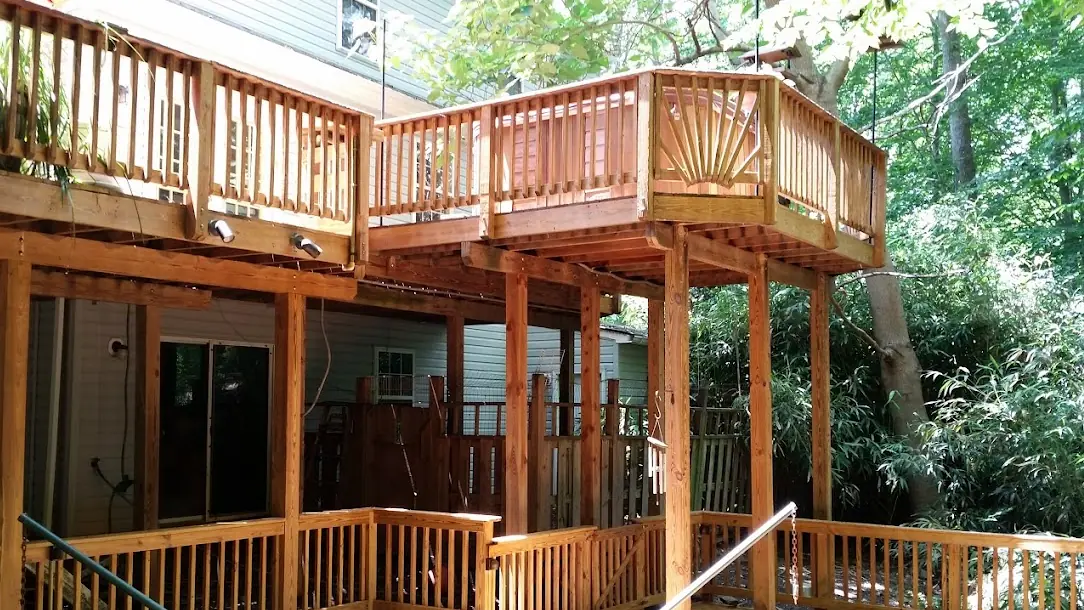
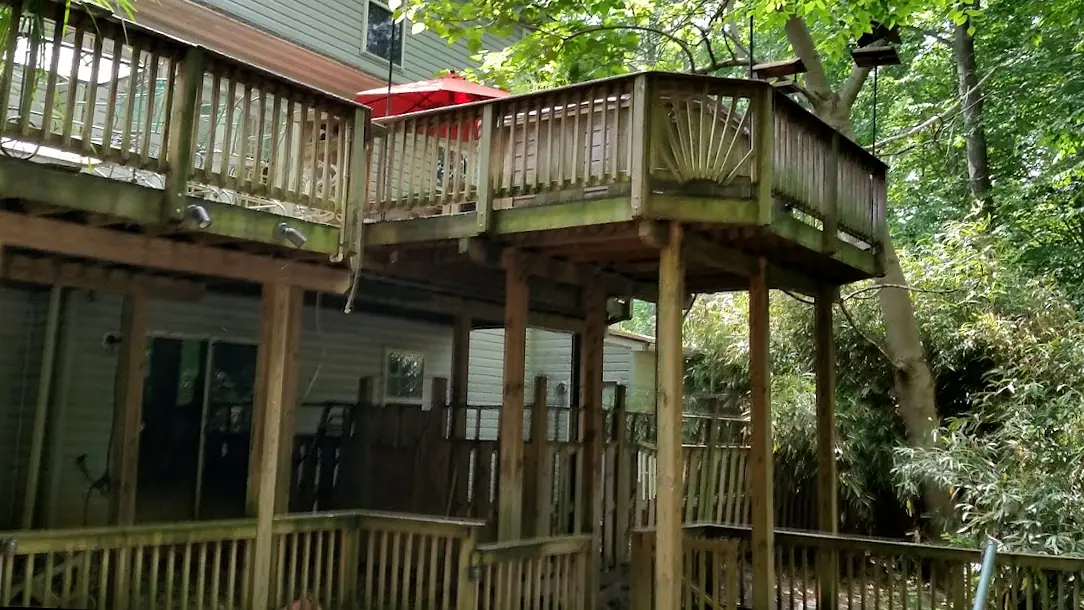
- Wood decks and fences, where our deck cleaning relies on low-pressure washing to protect the grain.
- Painted surfaces of any kind, where high pressure can lift sound paint along with the dirt.
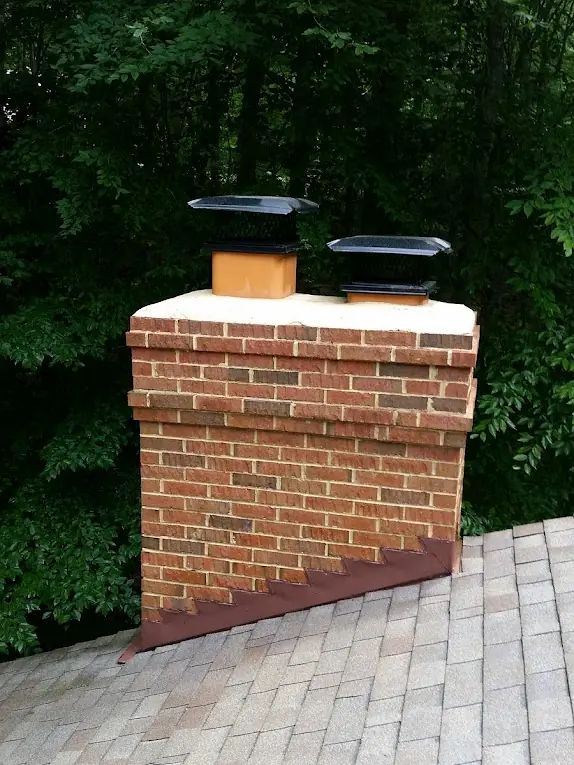
- Older or soft brick and mortar joints that are already weathered.
Why does the cleaning method have to match the surface?
Every exterior material has a different tolerance for force, water and cleaning solutions. Matching the method to the material is what separates a clean surface from a damaged one, so we look at the material and its condition before choosing how to clean it.
Two surfaces that look equally dirty can need completely different treatment. A broom-finished concrete driveway can handle a rotary surface cleaner running at full pressure. The painted brick on the house beside it may need a solution and a gentle rinse. Age matters as well: a thirty-year-old sidewalk with a worn top layer is more vulnerable than a slab poured five years ago.
That is why our team, with 30+ years of combined pressure washing experience, starts with a look at the surface rather than a default setting. On one property we may pressure wash the front walk, soft wash the siding and use low pressure on a deck, all in the same visit.
Can pressure washing damage your property?
Yes. Too much pressure, the wrong nozzle or poor technique can etch concrete, fuzz wood, crack siding and drive water into walls. These problems are avoidable when the operator adjusts to the surface.
Etched and striped concrete
Concrete has a thin top layer of cement paste. A narrow tip held too close cuts through it and exposes the sand and aggregate underneath, leaving permanent lines or blotches. Sweeping a wand back and forth by hand also tends to leave light and dark “zebra stripes” across a driveway. Professionals avoid both by using surface cleaners on flatwork and keeping handheld work to edges and corners.
Fuzzing or furring on wood
High pressure tears loose wood fibers from softer boards, leaving a raised, hairy texture known as fuzzing or furring. It looks rough, absorbs stain unevenly and often has to be sanded. Softwoods such as pine and cedar are especially prone, which is why wood is cleaned at low pressure with a solution doing most of the work.
Cracked, dented or stripped siding
Vinyl siding can crack or punch through, particularly in cold weather when it is less flexible. On painted wood and fiber cement, high pressure can peel paint that was otherwise sound. Soft materials such as cedar trim can be gouged or marked in a single pass.
Water forced behind siding
Lap siding is designed to shed rain falling from above, not a jet of water aimed upward. Spraying up under the laps can push water behind the siding and into the wall, where it can stay hidden. The same risk applies around windows, vents, light fixtures and outdoor outlets.
When do we use soft washing instead of pressure washing?
We switch to soft washing whenever a surface is too delicate for high pressure, which includes most siding, stucco and painted surfaces. Soft washing uses a cleaning solution at low pressure so the growth is removed without the force that causes damage.
Pressure washing is the right tool for flatwork and hard masonry, but the walls of most homes call for something gentler. Our soft washing service treats algae and mildew-type organic growth with a solution, then rinses at low pressure. It is the method behind our professional house washing, and many properties get a mix of both methods in the same visit.
Pressure washing for homes and businesses in Stafford and Northern Virginia
Ultimate Powerwash is a Stafford-based company that pressure washes residential and commercial properties throughout Stafford, Fredericksburg and Northern Virginia. We offer free estimates, and our work is satisfaction guaranteed.
Virginia’s hot, humid summers and heavy spring pollen give concrete and masonry plenty to hold onto, and shaded walks and north-facing steps tend to turn green and slick faster than sunny ones. Homeowners call us for driveways, sidewalks and patio cleaning. Property managers and business owners along the I-95 and Route 1 corridors call us for storefronts, entrances and sidewalks through our commercial pressure washing service.
If you’re near our home base, see what we do for pressure washing in Stafford. When you’re ready, request a free quote and tell us which surfaces you want cleaned.
How our pressure washing process works
Look at the surfaces
We identify each material, its age and condition, and any existing cracks, loose mortar or worn areas before choosing a method.
Prepare the area
Movable items are cleared, and nearby siding, plants, fixtures and outlets are protected from overspray and runoff where needed.
Pre-treat where it helps
Oil spots, organic growth and heavy staining may get a cleaning solution or degreaser first, with time to work before any pressure is applied.
Clean with matched pressure
Flatwork is cleaned with a surface cleaner for even results, and edges, steps and corners are detailed by hand at an appropriate distance and tip.
Rinse and review
Loosened debris and residue are rinsed away, and we walk the work to check for missed spots before we leave.
What pressure washing removes
- Ground-in dirt and grime
- Algae, moss and mildew-type organic growth
- Oil and grease (with pre-treatment)
- Tire marks
- Chewing gum
- Red clay and mud staining
- Spring pollen buildup